

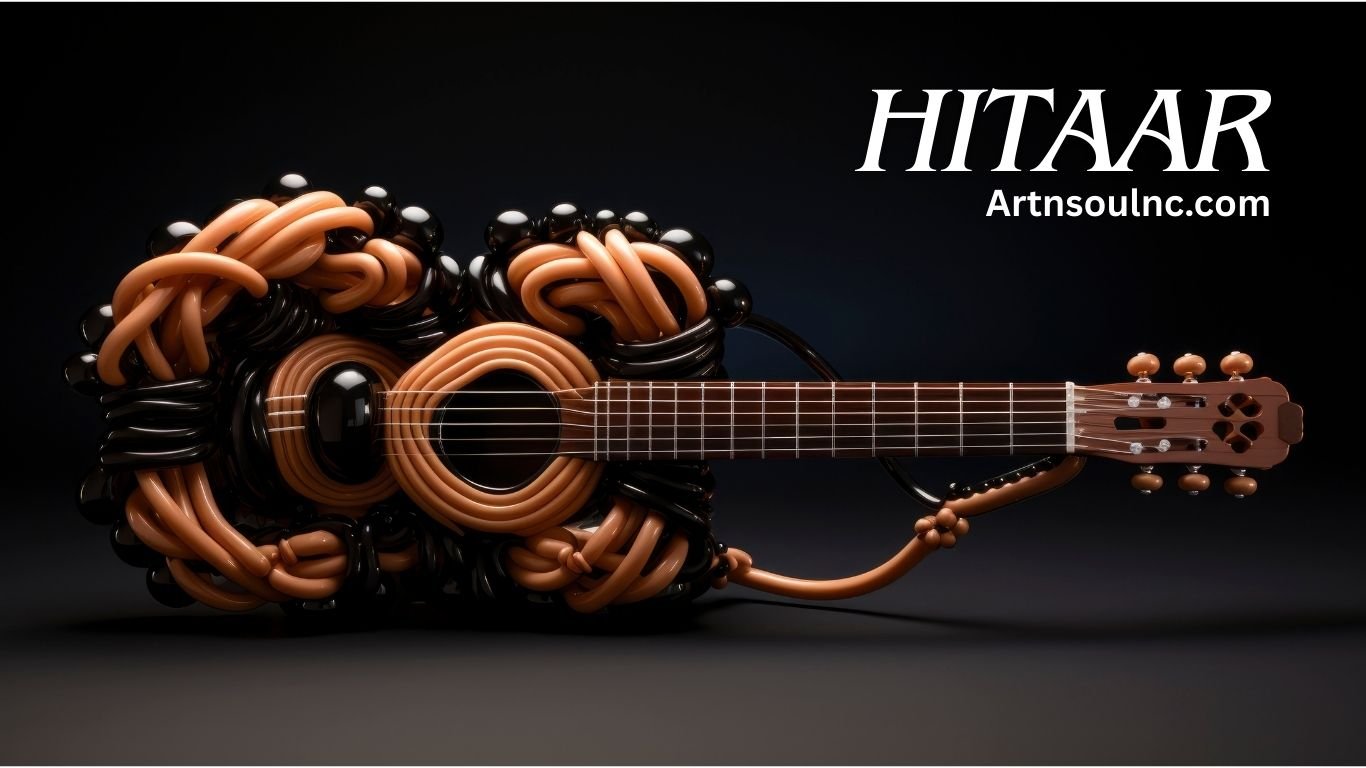
Hitaar is more than just a form of artistic expression; it’s a vibrant tapestry woven through generations. With roots that dig deep into history, this art has evolved beautifully, reflecting the complexities of cultural influences and personal creativity. Whether you’re an aspiring artist or simply curious about this captivating genre, understanding hitaar opens doors to a world filled with rhythm, emotion, and storytelling.
From its intricate techniques to the unique styles that have emerged over time, hitaar offers something for everyone. The passion behind each stroke or note creates connections between artists and audiences alike. Join us as we explore the rich legacy of hitaar and discover how it continues to resonate in our lives today.
What is Hitaar?
Hitaar is a dynamic art form that seamlessly blends music, dance, and visual creativity. Originating from diverse cultural backgrounds, it acts as a canvas for self-expression and storytelling.
At its core, hitaar captures the essence of human emotion. Artists channel their feelings into each performance or piece they create. This connection between artist and audience fosters an immersive experience.
What sets hitaar apart is its versatility. It can range from traditional forms rooted in heritage to contemporary interpretations that push boundaries. Each iteration retains the spirit of innovation while honoring age-old traditions.
As audiences engage with hitaar, they find themselves exploring themes of love, struggle, joy, and community. This multifaceted nature makes it not just an art form but also a bridge connecting different generations and cultures through shared experiences.
History and Evolution of Hitaar
Hitaar has deep roots, originating from ancient traditions. Its early forms can be traced back to ceremonial gatherings where storytelling brought communities together.
As time unfolded, Hitaar adapted and absorbed influences from various cultures. This evolution saw the introduction of new instruments and techniques that enriched its soundscape.
In different regions, local flavors contributed to distinct styles within Hitaar. Each generation added their touch while preserving the essence of this art form.
The 20th century marked a significant turning point. The rise of technology allowed for wider dissemination through recordings and broadcasts, pushing Hitaar into modernity.
Today, it stands as a vibrant fusion of past and present elements. Artists continue to innovate while honoring traditional methods, ensuring that Hitaar remains relevant in contemporary society.
Techniques Used in Hitaar
Hitaar is a dynamic art form that thrives on diverse techniques. One of the core methods involves intricate finger placements, allowing artists to produce rich harmonies and nuanced melodies. This precision defines the sound, making it instantly recognizable.
Another technique emphasizes rhythmic patterns known as “tala.” By mastering these beats, performers can add an engaging layer to their music. The interplay between rhythm and melody creates a captivating experience for listeners.
Improvisation plays a crucial role in Hitaar performances. Artists often weave personal expressions into traditional frameworks, resulting in unique interpretations during each performance. This spontaneity keeps audiences enthralled.
Additionally, breath control is vital when executing long notes or delicate phrases. Skilled practitioners can manipulate their breath to enhance emotional depth within each piece. Such attention to detail elevates Hitaar beyond mere technical execution; it becomes an intimate conversation with the audience.
Unique Styles and Influences of Hitaar across Generations
Hitaar is a rich tapestry woven from various cultural threads. Each generation has added its unique flair, creating diverse styles that reflect the times.
One prominent style emerged during the folk revival of the 1960s. Musicians infused traditional melodies with contemporary rhythms, appealing to younger audiences. This blend helped bridge generations and kept Hitaar alive in popular culture.
Regional influences also play a significant role. For instance, urban settings introduced jazzy elements, while rural areas maintained ancient techniques and instruments. This geographical diversity adds depth to Hitaar as an art form.
Artists have often drawn inspiration from global movements as well. The fusion of world music creates exciting collaborations that push boundaries and challenge norms within Hitaar.
As this art form continues to evolve, it remains a testament to human expression across different eras—a true reflection of our collective journey through time.
Notable Hitaar Artists and Their Contributions to the Art Form
Notable Hitaar artists have shaped the landscape of this mesmerizing art form. Their unique expressions and innovative techniques have left a lasting impact.
One prominent figure is Amina Noor, known for her intricate patterns that blend traditional motifs with contemporary flair. Her work resonates across various cultural boundaries, inviting admiration from diverse audiences.
Another influential artist is Rafiq Hasan. He has championed the fusion of hitaar with modern music genres. His ability to incorporate electronic elements while maintaining authenticity has redefined expectations within the craft.
Then there’s Malik Jaan, whose storytelling through hitaar captivates listeners on multiple levels. His performances often evoke deep emotions, connecting generations through shared narratives.
These artists embody the spirit of creativity in hitaar, showcasing its evolution while honoring its roots. Each contribution enriches this dynamic art form and inspires future generations to explore their own interpretations.
The Impact of Hitaar on Culture and Society
Hitaar has woven itself into the fabric of various cultures, acting as a bridge between generations. Its rhythms resonate deeply in communities, often becoming an expression of shared identity and heritage.
The art form reflects social narratives, encapsulating stories of struggle, joy, and resilience. Through its melodies, hitaar fosters unity among diverse groups. It plays a pivotal role in celebrations and rituals, marking significant life events with its vibrant sounds.
Moreover, hitaar transcends mere entertainment; it inspires movements for change. Artists use this platform to voice societal issues, igniting conversations that challenge norms.
Educational institutions have also embraced hitaar as part of their curriculum. By incorporating traditional music into learning environments, they foster appreciation among youngsters for cultural roots.
In urban settings where traditions might fade away, hitaar serves as a reminder of past richness while encouraging innovation within the genre itself.
How to Learn and Appreciate Hitaar
To learn and appreciate hitaar, start by immersing yourself in its rich sounds. Listen to recordings of renowned artists who specialize in this unique art form. This will help you grasp the nuances that define hitaar.
Consider taking classes or workshops led by experienced practitioners. Engaging directly with instructors can deepen your understanding of techniques and styles. Hands-on experience is invaluable.
Attending live performances offers another layer of appreciation. Witnessing the passion and skill of performers adds context to what you’ve studied.
Join online forums or local groups centered around hitaar enthusiasts. Sharing experiences fosters a sense of community and enhances your learning journey.
Read books or articles about hitaar’s history and influences across generations. The more knowledge you gain, the richer your experience will be as you explore this captivating art form.
FAQs
What is hitaar?
Hitaar is a traditional art form that combines elements of music and performance. It often involves rhythmic patterns, melodic expressions, and the use of various instruments. The heart of hitaar lies in its ability to evoke emotions and tell stories.
How did hitaar evolve over time?
The evolution of hitaar can be traced back centuries, influenced by cultural exchanges and societal changes. As it passed from one generation to another, different regions added their unique flavors. This led to diverse interpretations while still maintaining core principles.
What techniques are commonly used in hitaar?
Techniques vary widely but generally include intricate finger movements on strings or percussion instruments, breath control for vocal performances, and improvisational skills to enhance creativity during performances.
Are there unique styles within hitaar?
Yes! Different cultures have shaped distinctive styles. For instance, some focus heavily on rhythm while others emphasize melody. These variations make each performance a reflection of its cultural backdrop.
Who are some notable artists associated with hitaar?
Many artists have made significant contributions to this art form. Their innovative approaches helped elevate the status of hitaar globally while keeping tradition alive through their work.
How does hitaar impact society today?
Hitaar continues to influence modern culture significantly. It fosters community bonds and provides an outlet for artistic expression among individuals who practice it or appreciate its beauty.
Where can I learn about hitting notes like professionals do in hitsar?
Various online platforms offer courses ranging from beginner levels up to advanced techniques tailored specifically for aspiring musicians interested in mastering the intricacies involved within this captivating genre!
Feel free to reach out if you want more information or resources related to your journey into exploring the beautiful world behind Hit-aar!