

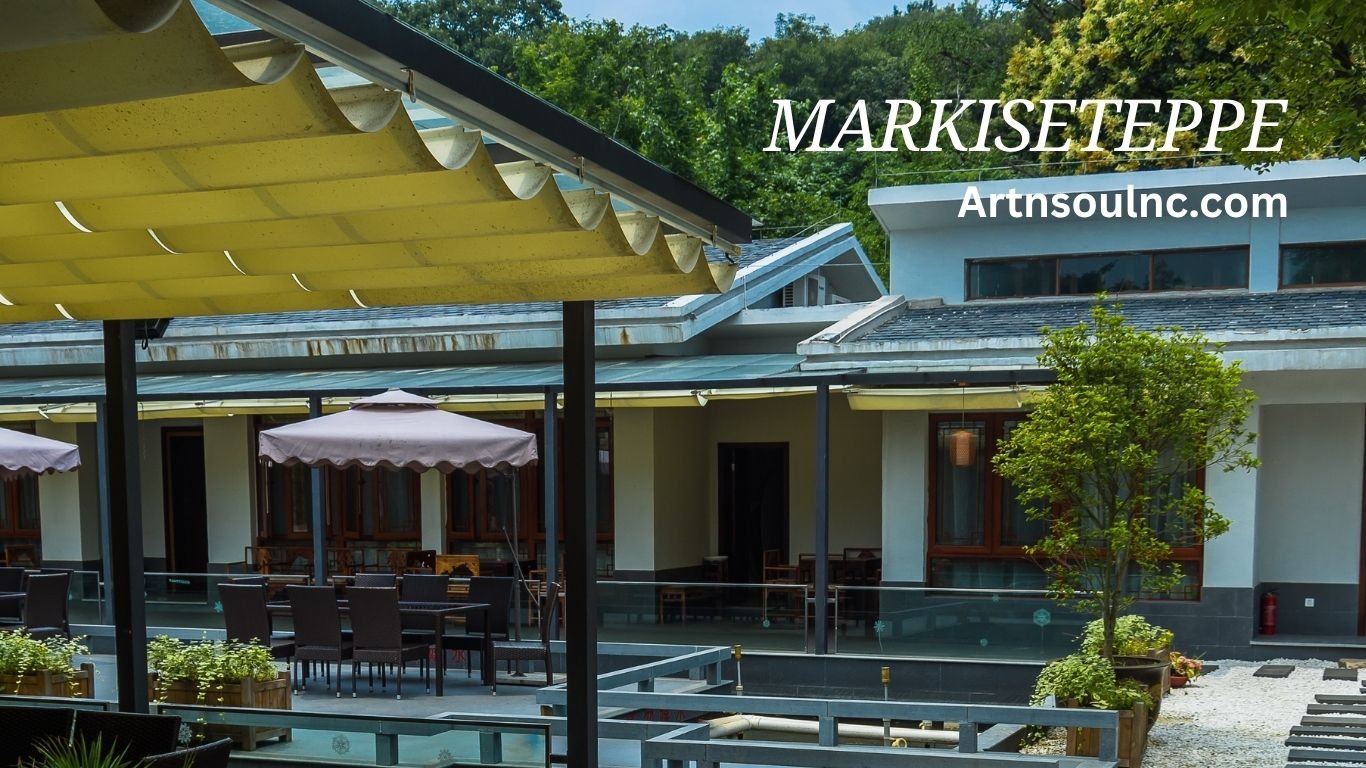
Markiseteppe refers to a contemporary style of outdoor awning fabric designed to offer shade, weather protection, and aesthetic appeal for residential and commercial spaces. The concept comes from Scandinavian design principles, where simplicity, durability, and natural harmony play a central role. Moreover, the term has become increasingly popular among architects and homeowners who want a refined and functional outdoor environment. Although the idea looks simple at first glance, the innovation behind markiseteppe reflects an entire system of material science, design evolution, and lifestyle enhancement.
The Origins of Markiseteppe
The inspiration for markiseteppe traces back to traditional canvas awnings used across Europe. However, modern variations elevate the idea through advanced textiles, improved UV resistance, and structural flexibility. In addition, the shift toward eco-conscious design in Scandinavian regions contributed to the development of fabrics that conserve energy and reduce heat absorption.
Furthermore, climate conditions in Northern Europe, where long summer days and bright sunlight are common, pushed designers to create an awning solution that provides both practicality and beauty. The result became markiseteppe: a fabric that balances light control, weather resilience, and architectural elegance.
Key Material Characteristics
To understand the value of markiseteppe, it helps to explore its material composition.
1. UV and Heat Protection
One of the biggest advantages of markiseteppe is its ability to block harmful ultraviolet rays. The specially engineered fibers reduce glare and heat, allowing users to enjoy outdoor spaces comfortably. Moreover, this feature prevents sun damage to indoor furniture, flooring, and artwork by limiting direct sunlight exposure.
2. Breathable Yet Strong Fabric
Despite offering impressive protection, the fabric stays breathable. Air can move through the material while rainwater resists absorption. In addition, the tightly woven structure protects against wind stress while remaining lightweight enough for flexible installation.
3. Weather and Fade Resistance
Markiseteppe fabrics are designed to handle diverse weather conditions. Furthermore, they maintain color vibrancy even after extended exposure to the sun. This quality makes them ideal for long-term outdoor use in both residential patios and commercial storefronts.
4. Eco-Friendly Manufacturing
Many versions use recyclable materials or low-impact production processes. As sustainability becomes more important globally, markiseteppe aligns perfectly with environmentally conscious architecture and outdoor design.
Types of Markiseteppe Designs
Markiseteppe is available in various styles, each suited for different design goals and functional needs.
1. Solid-Color Markiseteppe
For homeowners who prefer simplicity, solid colors offer a clean and modern touch. Neutral colors such as beige, grey, and charcoal are popular because they blend naturally with wood, stone, and metal.
2. Striped and Patterned Fabrics
Furthermore, striped designs provide a classic European appearance, often used for cafés and outdoor restaurants. Patterns can also enhance visual interest and add personality without overwhelming the surrounding architecture.
3. Transparent and Semi-Transparent Variants
Some fabrics allow filtered light to pass through while still reducing glare. These options are ideal for spaces where ambience matters, such as conservatories or stylish rooftop lounges.
Functional Applications of Markiseteppe
The versatility of markiseteppe makes it suitable for a variety of outdoor and indoor applications. In addition, the material adapts easily to different architectural forms, giving designers creative freedom.
1. Patio and Balcony Awnings
Many homeowners choose markiseteppe to transform their patios into comfortable social spaces. The fabric provides shade during hot afternoons and protects against unexpected light rain. Moreover, it enhances privacy without blocking airflow.
2. Commercial Storefronts
Retail stores, cafés, and restaurants often use markiseteppe to create inviting entrances and outdoor seating areas. In addition, the fabric can be customized with business colors or branding elements.
3. Pergola and Gazebo Coverings
When used with pergolas or gazebos, markiseteppe elevates outdoor architecture with a sleek, modern finish. Furthermore, the material can be combined with layered lighting to create warm and cozy evening environments.
4. Indoor Light Control
Some designers incorporate markiseteppe for indoor spaces such as sunrooms or large window areas. It filters natural light beautifully while reducing heat buildup, making rooms more energy-efficient. Moreover, the fabric’s durability ensures long-lasting performance.
Installation Approaches
Markiseteppe installation varies depending on the structure and intended use.
1. Fixed Frame Installations
Fixed installations use solid metal or wooden frames that permanently hold the fabric in place. This method strengthens outdoor structures and provides consistent shade coverage. In addition, it suits spaces where long-term reliability is essential.
2. Retractable Systems
Retractable awnings equipped with markiseteppe allow users to adjust shade levels according to changing weather. Moreover, motorized systems offer effortless convenience through remote controls or smart-home integration.
3. Custom Architectural Integrations
Designers sometimes integrate markiseteppe into unique architectural features such as sloped roofs, side panels, or artistic shade structures. In addition, these customized projects highlight the creative potential of the material.
Maintenance and Care Tips
Markiseteppe fabrics require minimal maintenance, but proper care enhances longevity.
1. Regular Cleaning
Dust and light debris can be removed with a soft brush. For deeper cleaning, mild soap and water work effectively. Moreover, avoiding harsh chemicals protects the fabric’s coating.
2. Proper Storage
Retractable systems should be closed during heavy storms to prevent damage. In addition, storing removable fabrics in dry environments during winter preserves quality.
3. Inspecting for Wear
Although markiseteppe is durable, periodic inspection helps identify loose stitching or mechanical issues early. Furthermore, proactive maintenance reduces long-term costs.
Why Markiseteppe Is Gaining Popularity
The rise of outdoor living spaces has increased demand for stylish and functional shading solutions. Moreover, markiseteppe offers a balance that many other materials lack. It provides visual elegance, structural strength, and environmental benefits. In addition, its versatility allows compatibility with minimalist architecture, modern homes, traditional buildings, and commercial spaces alike.
Furthermore, as people spend more time outdoors for relaxation, work, and social gatherings, the need for comfortable and visually pleasing shade has grown. Markiseteppe meets that need beautifully.
FAQs
1. What is markiseteppe?
Markiseteppe is a modern awning fabric designed to provide shade, UV protection, and weather resistance for outdoor spaces.
2. Where is markiseteppe commonly used?
It is used for patios, balconies, pergolas, storefronts, cafés, and indoor sunrooms.
3. Is markiseteppe waterproof?
It is water-resistant, meaning it can withstand light rain, but heavy storms should be avoided unless the system is retracted.
4. How durable is markiseteppe?
The fabric is highly durable, fade-resistant, and suitable for long-term outdoor exposure.
5. Can it block UV rays?
Yes, markiseteppe offers strong UV protection and reduces heat and glare effectively.