

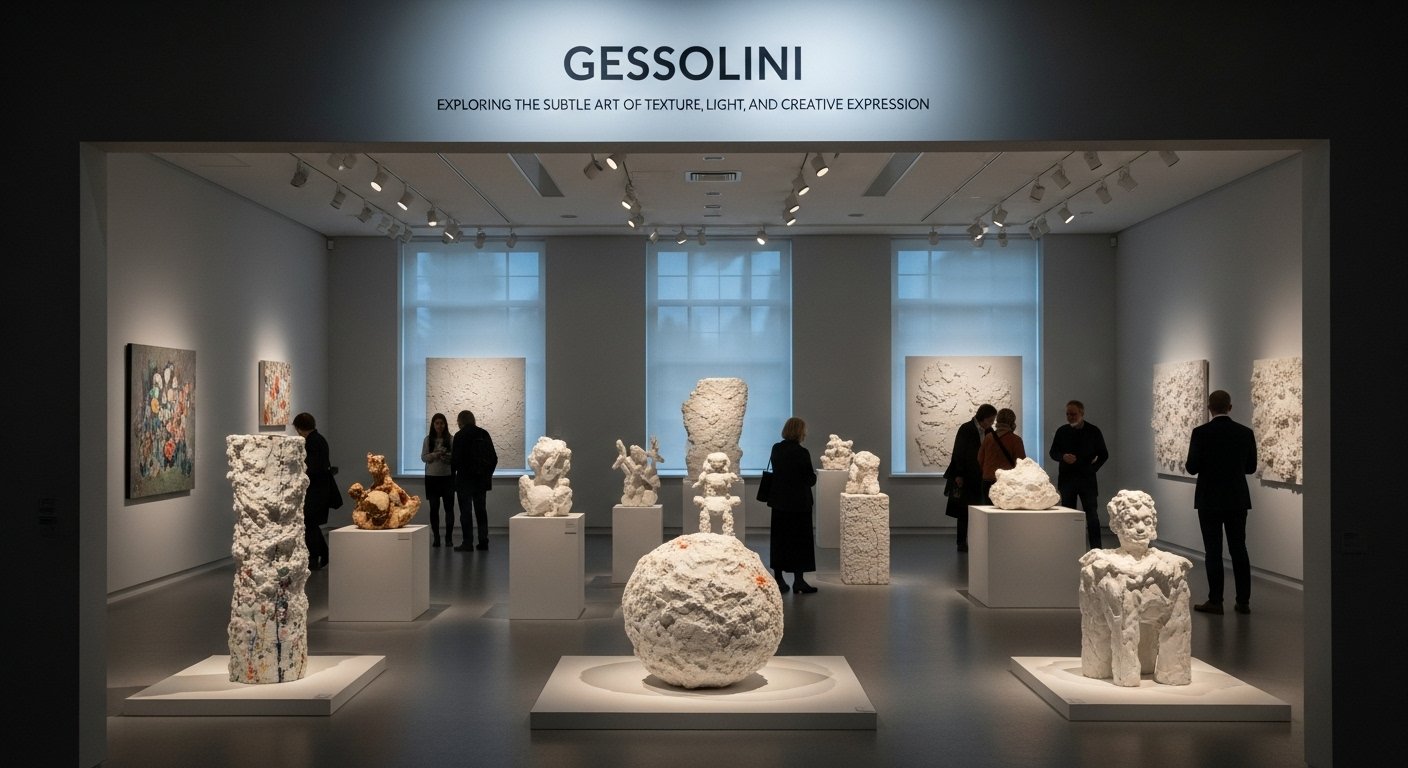
In the evolving landscape of contemporary and traditional art, new terms and techniques continue to shape creative expression. Among these emerging concepts, Gessolini stands out as a unique approach that blends texture, material sensitivity, and visual storytelling. Rooted in the artistic use of gesso-like surfaces and layered compositions, Gessolini represents more than a technique; it reflects a philosophy of mindful creation.
Through careful surface preparation, subtle color transitions, and tactile experimentation, artists using Gessolini aim to build depth and emotion within their works. As a result, artworks created with this approach often invite viewers to look beyond the surface and explore hidden narratives.
This article explores the origins, methods, significance, and future of Gessolini in the art world.
The Origins and Concept Behind Gessolini
The term Gessolini is inspired by “gesso,” a traditional primer used by painters for centuries. Historically, gesso was applied to wooden panels and canvases to create a smooth, absorbent surface for painting. Over time, artists began experimenting with gesso by mixing it with pigments, sand, and fibers, leading to textured and expressive surfaces.
From these experiments, Gessolini emerged as a refined artistic approach focused on layered surfaces and subtle visual rhythms. Rather than serving only as a preparatory stage, the gesso-based foundation became an integral part of the artwork itself.
Consequently, Gessolini evolved into a style that values process as much as outcome. Each layer contributes to the final narrative, emphasizing patience and precision.
Materials and Tools Used in Gessolini Art
To practice Gessolini effectively, artists rely on carefully selected materials that enhance texture and durability. While traditional supplies remain important, modern variations have expanded creative possibilities.
Essential Materials
The foundation of Gessolini art typically includes:
-
Acrylic or traditional gesso
-
Canvas, wood panels, or mixed-media boards
-
Palette knives and spatulas
-
Soft and stiff brushes
-
Pigments and acrylic paints
-
Texturing agents such as sand, pumice, or fibers
These materials allow artists to create layered, tactile surfaces that respond to light and movement.
Modern Innovations of Gessolini
In recent years, synthetic binders and eco-friendly primers have been introduced. As a result, artists can now achieve similar effects while maintaining environmental responsibility. Digital tools are also sometimes used to plan compositions before physical execution.
Through this combination of traditional and modern materials, Gessolini remains both versatile and adaptable.
Techniques and Processes in Gessolini Creation
The Gessolini process emphasizes gradual development and thoughtful layering. Each step plays a crucial role in shaping the final piece.
Surface Preparation of Gessolini
The process begins with applying multiple layers of gesso. These layers are often sanded, scraped, or partially removed to create uneven textures. Instead of seeking perfection, artists intentionally preserve imperfections.
Layering and Texture Building
Next, artists add textured elements using palette knives or custom tools. Pigments may be mixed directly into the gesso, producing soft tonal variations. Over time, layers accumulate, forming complex surfaces.
Color Integration
Unlike traditional painting methods, Gessolini integrates color gradually. Transparent washes and thin glazes are applied to allow underlying textures to remain visible. Consequently, depth and luminosity are achieved without overpowering the surface.
Finishing Touches
Finally, artists seal their work with protective coatings. Some prefer matte finishes to maintain subtlety, while others choose gloss to enhance light reflection.
Through this structured yet flexible process, Gessolini artworks develop rich visual character.
Artistic Philosophy and Emotional Expression
Beyond technical aspects, Gessolini represents a deeper artistic mindset. It emphasizes slow creation, introspection, and material awareness.
Embracing Imperfection
In Gessolini, flaws are not corrected but celebrated. Cracks, uneven layers, and accidental marks contribute to authenticity. Therefore, each piece becomes a visual record of its creation journey.
Connection with Emotion
Many artists use Gessolini to express emotions that are difficult to articulate verbally. Through texture and muted colors, feelings such as nostalgia, calm, or melancholy are conveyed. As a result, viewers often experience personal emotional responses.
Mindful Creativity
Since the process requires patience, Gessolini encourages mindfulness. Artists become deeply connected to each layer, fostering a meditative relationship with their work.
This philosophical dimension distinguishes Gessolini from purely decorative techniques.
Gessolini in Contemporary and Traditional Art Movements
Gessolini bridges the gap between classical and modern art practices. Its adaptability allows it to coexist with various artistic movements.
Influence on Abstract Art
In abstract compositions, Gessolini provides structure and depth. Textured surfaces enhance visual interest, even in minimalist designs. Consequently, many abstract artists incorporate this approach.
Role in Mixed Media
Mixed-media artists frequently use Gessolini as a foundation for collage, photography, and assemblage. Its strong surface supports diverse materials without losing coherence.
Presence in Fine Art and Galleries
Gessolini-based works have increasingly appeared in exhibitions and galleries. Collectors appreciate their tactile quality and timeless appeal. Therefore, the technique continues to gain recognition in professional art circles.
Educational and Therapeutic Applications
Beyond professional practice, Gessolini has found value in education and therapy.
Art Education
Teachers use Gessolini to introduce students to texture, layering, and patience. Since mistakes become part of the artwork, learners feel less pressure to achieve perfection.
Art Therapy
In therapeutic settings, the repetitive and tactile nature of Gessolini helps individuals reduce stress and express emotions. Working with layers provides a sense of control and healing.
Thus, Gessolini extends its influence beyond aesthetics into personal development.
The Future of Gessolini in the Art World
As artistic boundaries continue to expand, Gessolini is expected to evolve alongside new technologies and materials.
Integration with Digital Art
Some artists are already blending Gessolini textures with digital prints and augmented reality. This fusion creates immersive experiences that combine physical and virtual elements.
Sustainable Practices
With growing environmental awareness, eco-friendly primers and recycled materials are becoming popular. Gessolini is likely to adopt these sustainable methods widely.
Global Recognition
Through online platforms and international exhibitions, Gessolini is reaching a broader audience. Consequently, its influence is expected to grow across cultures.
These developments suggest a promising future for this artistic approach.
Conclusion: The Lasting Impact of Gessolini
Gessolini represents a harmonious blend of technique, philosophy, and emotional expression. By transforming simple gesso-based surfaces into meaningful artworks, artists create pieces that resonate deeply with viewers.
Through layered textures, mindful processes, and subtle color integration, Gessolini celebrates patience and authenticity. Moreover, its adaptability ensures relevance in both traditional and modern contexts.
As art continues to evolve, Gessolini stands as a reminder that true creativity often lies in the details, the process, and the quiet dialogue between artist and material.