

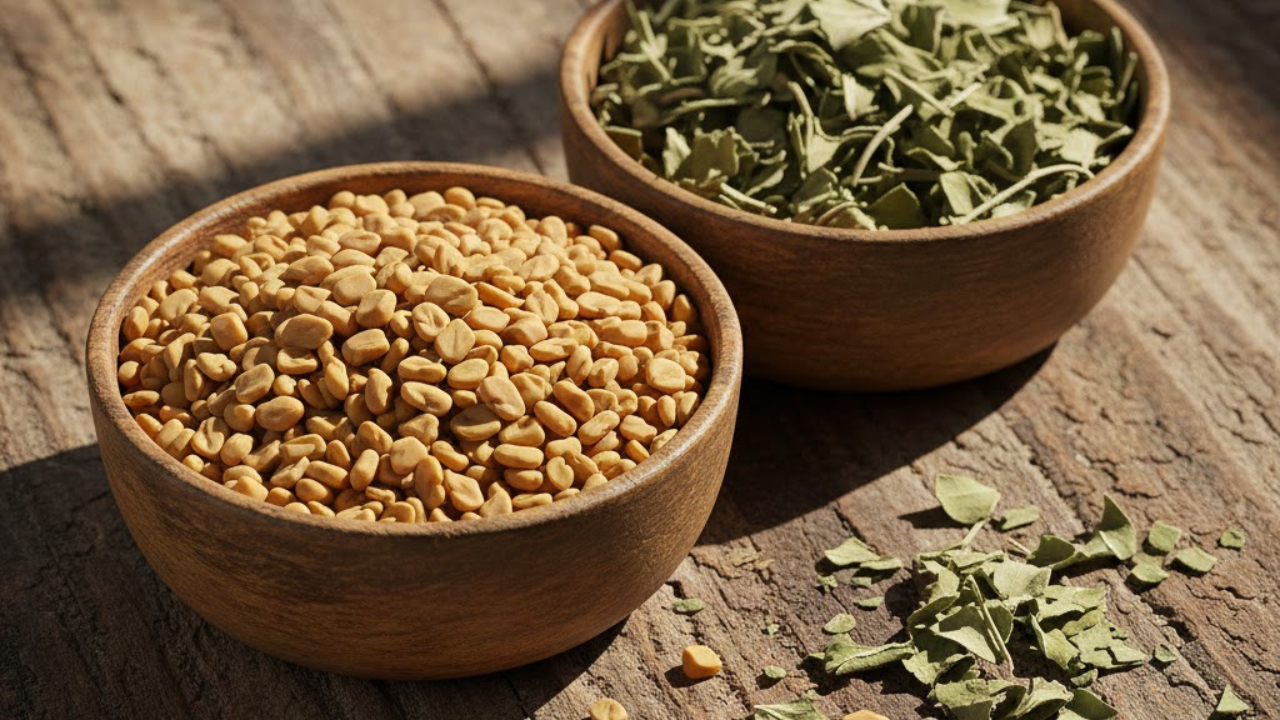
Fenugreek (Trigonella foenum-graecum) is a highly valued herb that has been used for thousands of years in cooking, traditional medicine and natural wellness practices. Native to the Mediterranean region, North Africa and South Asia, fenugreek has earned global recognition for its unique flavor, versatile uses and potential health-supporting properties.
What Is Fenugreek?
Fenugreek is a small, leafy plant belonging to the legume family. It grows low to the ground and produces small white or pale flowers. The most commonly used part of the plant is its golden-brown seeds—small, hard kernels with a slightly bitter taste and a warm aroma reminiscent of maple syrup when roasted.
The dried leaves, known as methi in South Asian cuisine, are also popular for their earthy, savory flavor.
Culinary Uses
Fenugreek is celebrated for its distinctive taste, which blends bitterness with sweetness and a hint of caramel. This makes it a staple in many regional kitchens.
1. Spice Blends
Fenugreek seeds are essential in many traditional spice mixes, including:
-
Indian curry powders and masala blends
-
Ethiopian berbere
-
North African ras el hanout
-
Wet and dry chutneys, pickles and marinades
2. Everyday Cooking
-
Roast the seeds to deepen their flavor and reduce bitterness
-
Use the dried leaves in curries, stews and vegetable dishes
-
Grind the seeds to make spice rubs or thicken sauces
Health Benefits
Fenugreek has been valued in various healing traditions for centuries. While research is ongoing, several potential benefits are widely recognized.
1. Digestive Support
Fenugreek seeds contain abundant soluble fiber, which may help soothe digestion and promote regularity.
2. Blood Sugar Management
The herb’s soluble fiber, especially galactomannan, may help slow the absorption of carbohydrates and support healthy blood sugar levels.
3. Support for Women
Traditionally, fenugreek has been used by women to:
-
Support milk production during breastfeeding
-
Ease menstrual discomfort
4. Anti-Inflammatory Properties
Fenugreek contains antioxidants that may help reduce inflammation in the body.
Note: Fenugreek supplements may interact with certain medications, particularly those for diabetes or blood thinning. Consult a healthcare provider if you have concerns.
How to Use Fenugreek
Seeds
-
Toast lightly before cooking
-
Soak in warm water to make herbal tea
-
Grind into powder for spice blends or soups
Leaves (Methi)
-
Add dried leaves to curries, lentils and sauces
-
Use fresh leaves in vegetable dishes and flatbreads
Supplements
Available as capsules, powders and extracts.
Always follow the recommended dosage on the label.
Possible Side Effects
Fenugreek is generally considered safe, but some people may experience:
-
Stomach upset or diarrhea
-
A sweet, maple-like body odor (caused by the compound sotolon)
-
Allergic reactions, particularly in individuals sensitive to legumes such as peanuts or chickpeas
Conclusion
Fenugreek remains one of the most versatile and culturally significant herbs in the world. Whether used for its flavor, its fragrance or its role in traditional wellness practices, fenugreek continues to offer benefits that bridge ancient wisdom and modern living.