

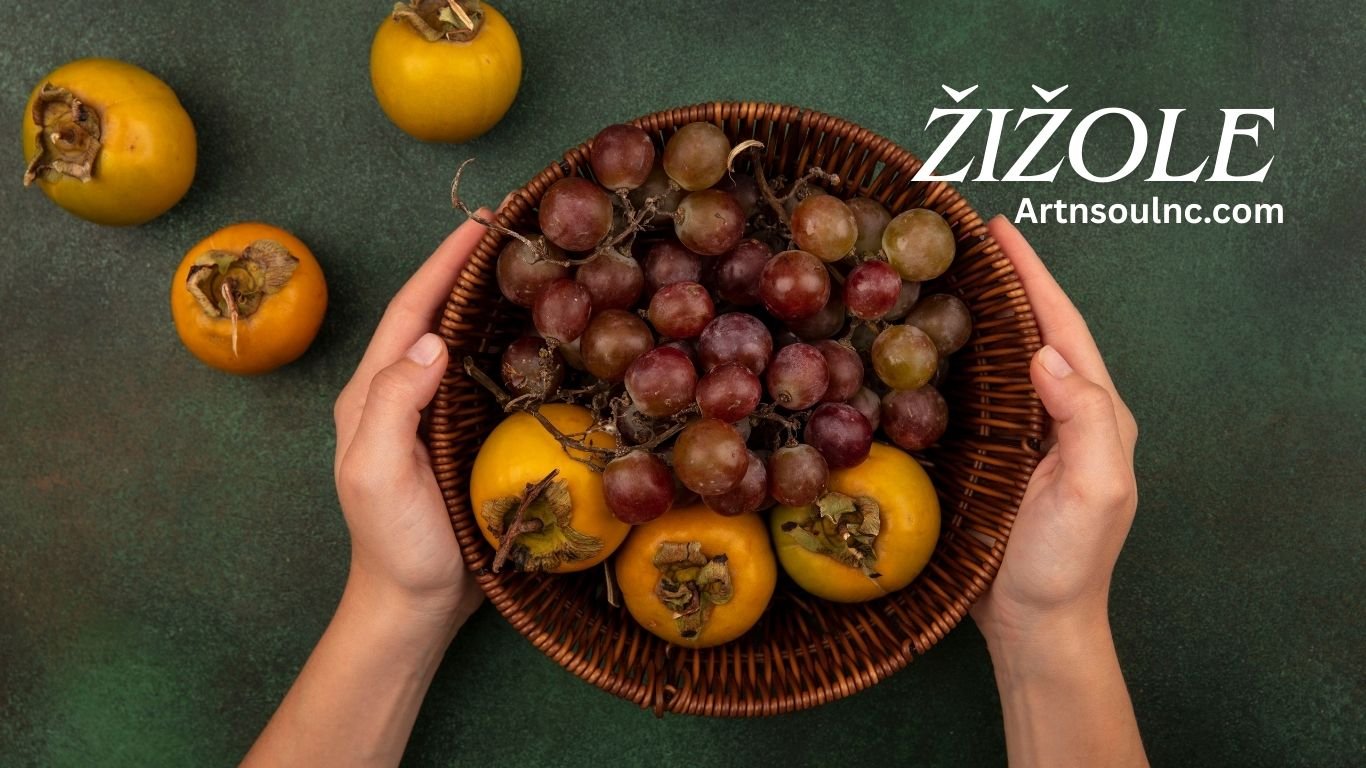
Žižole, also known globally as jujube, is an ancient fruit cherished for its sweetness, versatility, and medicinal value. Although it has been cultivated for more than 4,000 years, it has recently gained renewed popularity in culinary and wellness communities. With its chewy texture, honey-like flavor, and impressive nutritional benefits, žižole has become a favorite among health-conscious individuals and traditional food enthusiasts alike.
Moreover, the fruit’s cultural significance remains strong in many regions, especially across the Mediterranean, Central Asia, and parts of Eastern Europe. As interest in natural foods grows, žižole continues to rise in global demand.
Understanding the Origins of Žižole
The story of žižole begins in ancient China, where it was first domesticated and valued for both food and medicine. Over centuries, it traveled along trade routes into the Middle East and eventually reached the Balkans and Mediterranean shores. Today, countries such as Slovenia, Croatia, Italy, and Turkey embrace žižole as an essential part of their food heritage.
Through these migrations, the fruit adapted to various climates, demonstrating remarkable resilience. Because of this adaptability, farmers in arid and semi-arid regions consider it a reliable crop. Additionally, the tree’s long lifespan and tolerance to drought make it a sustainable alternative to other energy-intensive fruit species.
Botanical Profile of the Žižole Tree
The žižole tree, scientifically known as Ziziphus jujuba, is a hardy deciduous tree that can reach up to 10 meters in height. Its bark is dark and textured, while its small glossy leaves stand out with their deep green shade. During spring, the tree produces delicate yellowish flowers that slowly transform into small oval fruits.
As the fruit matures, its skin changes from green to a distinctive reddish-brown tone. The interior is firm, crisp, and lightly sweet when fresh. However, once dried, žižole turns chewy and sweeter, resembling the texture of dates. Because of this transformation, many cultures prefer dried žižole for snacks, teas, and desserts.
Nutritional Benefits of Žižole
Žižole offers an impressive nutritional profile that contributes to its growing popularity. In fact, the fruit contains a range of vitamins, minerals, and antioxidants that support overall wellness.
Rich in Vitamins
One of the standout components of žižole is its high vitamin C content. This powerful antioxidant boosts immunity, enhances skin health, and supports cellular repair. Additionally, žižole provides vitamin B-complex, which improves energy metabolism and cognitive function.
Packed with Minerals
Žižole is rich in minerals such as:
-
Potassium – essential for heart health and blood pressure regulation
-
Iron – important for preventing anemia
-
Magnesium – beneficial for muscle and nerve function
These minerals make the fruit especially valuable for individuals with nutrient deficiencies.
High in Fiber
The high fiber content promotes smooth digestion and helps maintain gut health. Because fiber increases satiety, žižole also supports weight management by reducing hunger between meals.
Antioxidant Power
The fruit contains flavonoids, phenols, and polysaccharides that fight oxidative stress. As a result, it helps protect the body from chronic diseases and early aging.
Culinary Uses of Žižole
The versatility of žižole extends into a wide variety of dishes. Whether eaten raw, cooked, or dried, it fits into many cuisines seamlessly.
Fresh Consumption
Fresh žižole tastes crisp and apple-like. Many people enjoy it as a refreshing snack, especially during the harvest season. Because its sweetness is mild, it complements savory foods, including cheese, nuts, and olives.
Dried Žižole
Drying transforms its texture and intensifies its sweetness. Dried žižole is commonly used in:
-
Herbal teas
-
Traditional sweets
-
Trail mixes
-
Baked goods
Furthermore, many cultures use dried žižole to soothe sore throats and improve sleep.
Žižole in Cooking
In Mediterranean kitchens, žižole appears in stews, sauces, and jams. It pairs well with spices such as cinnamon and star anise. Additionally, the fruit is often incorporated into festive dishes, giving meals a naturally sweet, earthy depth.
Beverages and Syrups
Žižole syrups and liqueurs are popular specialties in some regions. These beverages highlight the fruit’s fragrant aroma and rich taste. Because the flavor is both sweet and mellow, it creates balanced drinks enjoyed during celebrations.
Traditional and Medicinal Uses
For centuries, žižole has played a key role in traditional medicine, particularly in Chinese and Middle Eastern practices. Its healing properties are well-documented in historical texts.
Calming and Relaxing Effects
Žižole is widely used as a natural remedy for improving sleep. Its compounds support relaxation and help reduce stress and anxiety. Herbalists frequently recommend žižole tea for individuals struggling with insomnia.
Supports Digestion
Thanks to its fiber content, žižole aids digestion and promotes regular bowel movements. Traditional practitioners often use it to treat mild stomach discomfort and improve gut health.
Boosts Immunity
Because of its antioxidant richness, žižole strengthens the immune system and helps the body recover from illness. In many cultures, it is consumed during seasonal changes to prevent colds and flu.
Promotes Skin and Hair Health
Žižole extracts are used in beauty treatments to enhance skin elasticity and strengthen hair follicles. As interest in natural cosmetics grows, žižole-based products continue to attract modern consumers.
Growing Žižole: Cultivation and Care
Farmers appreciate the žižole tree for its resilience and low maintenance needs. It thrives in warm climates and can tolerate drought, poor soil, and temperature fluctuations.
Ideal Growing Conditions
-
Climate: Prefers warm, sunny regions
-
Soil: Grows well in sandy or loamy soil
-
Water: Requires minimal watering once established
Because of these characteristics, žižole is considered a sustainable crop option.
Harvesting
The fruit is typically harvested in late summer or early autumn. Fresh fruits are picked when they turn reddish. For drying, they are left on the tree longer to deepen their flavor and sweetness.
Cultural Significance of Žižole
Beyond its nutritional and medicinal value, žižole carries cultural importance. In many Mediterranean communities, the fruit symbolizes hospitality and good fortune. Families often serve žižole during gatherings and religious events.
Additionally, žižole festivals in certain regions celebrate the harvest season with food stalls, music, and traditional crafts. These festivals preserve local heritage while promoting the fruit’s modern relevance.
FAQs
1. What is žižole?
Žižole, also known as jujube, is a small sweet fruit traditionally grown in Asia, the Mediterranean, and Eastern Europe.
2. What does žižole taste like?
Fresh žižole tastes crisp and mildly sweet, similar to an apple, while dried žižole becomes chewy and date-like.
3. Is žižole healthy?
Yes. It is rich in vitamin C, antioxidants, fiber, and essential minerals like iron and potassium.
4. How is žižole used in cooking?
People eat it fresh, dried, or use it in teas, jams, desserts, sauces, and herbal remedies.
5. Can žižole improve sleep?
Traditional medicine often uses dried žižole to support relaxation and better sleep.