

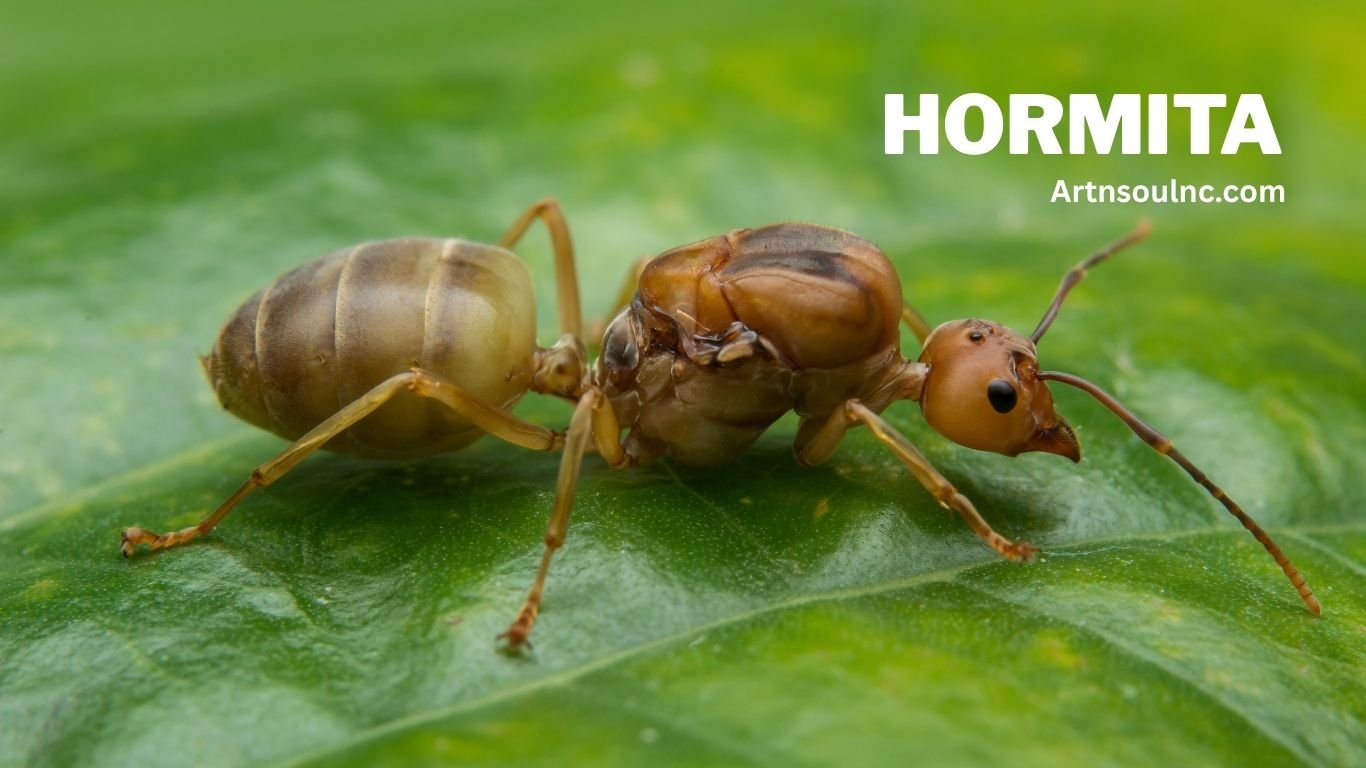
The world of insects is full of surprises, and one of the most captivating stories unfolds in the life cycle of Hormita. This remarkable species plays a crucial role in our ecosystems, contributing to pollination and serving as a food source for various animals. With an astonishing transformation from egg to adult, Hormita exemplifies nature’s ingenuity. Each stage offers unique insights into survival and adaptation. Join us on this fascinating journey through the life stages of Hormita and discover what makes this insect truly special.
The Larval Stage: From Egg to Hatching
The journey of the hormita begins with a tiny egg, often laid on leaves or stems. These eggs are usually small and can blend seamlessly into their surroundings, making them less visible to predators.
After several days, the eggs hatch into larvae. This stage is crucial for growth. Newly emerged larvae are ravenous eaters. They feast on foliage, consuming nutrients essential for their development.
As they munch through leaves, they grow rapidly in size. During this time, they undergo several molts—shedding their skin to accommodate their growing bodies. Each molt marks a significant step towards maturity.
Larvae are not just focused on eating; they must also be cautious of threats around them. Their vibrant colors may serve as a warning to potential predators about toxicity or unpalatability.
This larval phase sets the foundation for what’s to come next in this remarkable life cycle.
The Caterpillar Stage: Growth and Development
During the caterpillar stage, Hormita embarks on an incredible growth journey. After hatching from its egg, this voracious little creature begins to munch on leaves almost immediately.
With each passing day, it grows rapidly. The caterpillar’s body expands as it consumes more foliage, storing energy for its upcoming transformation. This feeding frenzy is crucial; a well-fed Hormita can reach impressive sizes.
As it grows, the caterpillar undergoes several molts—shedding its skin multiple times. Each new layer reveals a slightly larger and more vibrant version of itself. These changes are vital for accommodating its increasing mass.
Hormita uses this time not only to grow but also to develop essential survival skills. It learns how to navigate through various environments while avoiding predators with clever camouflage techniques or by blending into their surroundings effectively.
The Chrysalis Stage: Transformation into Adult Form
The chrysalis stage is a remarkable phase in the life cycle of hormita. During this transformative period, the caterpillar undergoes profound changes hidden from view.
Inside the protective casing, its body breaks down and reassembles into a new form. This process is known as metamorphosis, where cells reorganize to create wings and other adult structures.
While it may seem like nothing is happening externally, inside, there’s a flurry of activity. Hormita’s DNA guides this intricate transformation with precision.
This stage can last several days to weeks, depending on environmental conditions. The darker and cooler weather often extends this duration.
Once ready to emerge, the chrysalis cracks open revealing an adult hormita. It will take time for its wings to dry before it can flutter away into adulthood.
The Adult Stage: Mating, Reproduction, and Lifespan
As Hormita reaches adulthood, it embarks on a journey of reproduction. Mating typically occurs in the warm months when conditions are just right. During this time, males display vibrant colors and flutter around to attract females.
Once paired, the female lays her eggs strategically on host plants that will nourish the next generation. This careful selection is crucial for larval survival.
The lifespan of an adult Hormita varies but can span several weeks to a few months depending on environmental factors. Predators and habitat changes play significant roles in their longevity.
These adults also contribute significantly to pollination. Their role helps ensure the health of various plant species within their ecosystem while continuing the circle of life for future generations of Hormita.
Factors Affecting the Life Cycle of Hormita
The life cycle of Hormita is influenced by various environmental factors. Temperature plays a crucial role, as warm conditions can accelerate development while cold weather may slow it down or even halt growth.
Humidity is another vital element. Adequate moisture supports the larval stage, enabling optimal feeding and growth rates. Conversely, dry conditions can lead to desiccation and hinder survival chances.
Food availability dramatically impacts Hormita’s caterpillar phase. A plentiful supply of host plants fosters rapid growth, whereas scarcity may result in stunted development or increased competition among larvae.
Predators also pose significant challenges throughout their life stages. Birds and insects often target vulnerable eggs and caterpillars, affecting population dynamics.
Habitat destruction due to human activity disrupts breeding grounds and food sources for Hormita species, further complicating their survival journey through each phase of life.
Interesting Facts about Hormita’s Life Cycle
Hormita has an intriguing life cycle filled with surprises. Did you know that the eggs are often laid in clusters? This strategy helps safeguard them from predators.
Once hatched, the larva enters a phase of rapid growth. They can consume almost double their body weight each day, which is crucial for their eventual transformation.
During the chrysalis stage, Hormita undergoes fascinating changes. It’s during this time that cells reorganize to form wings and other adult features.
Interestingly, adult Hormitas have a remarkably short lifespan, usually living only a few weeks to mate and lay eggs. Despite this brevity, they play an essential role in pollination.
Another captivating fact is how environmental factors influence their development. Temperature and available food sources can alter growth rates dramatically, showcasing nature’s adaptability at its finest!
FAQs
What is a hormita?
Hormita refers to a fascinating genus of moths known for their unique life cycle and ecological significance. They play a crucial role in pollination and serve as food sources for various predators.
How long does the entire life cycle of hormita take?
The complete life cycle can vary but generally spans several weeks to months, depending on environmental factors such as temperature and availability of resources.
Where can I find hormitas in the wild?
Hormitas are commonly found in diverse habitats, including forests, gardens, and grasslands. They thrive in areas rich with flora that supports their lifecycle stages.
What do hormita caterpillars eat?
These caterpillars primarily feed on leaves from specific host plants. Their diet varies by species but typically includes tender foliage that aids their growth.
Are all hormitas colorful as adults?
While many adult hormitas display vibrant colors and patterns to attract mates or deter predators, some may have more subdued hues for camouflage within their environments.
How do hormone levels influence the development of hormita during its life cycle?
Hormones significantly impact various developmental stages. For example, they regulate molting processes during larval growth and trigger metamorphosis into adulthood.
Do hormonas have any natural predators?
Yes! Hormitas face threats from birds, insects like parasitic wasps, and even humans who engage in habitat destruction. This predator-prey dynamic plays an essential role in maintaining ecosystem balance.
Exploring these questions about hormones offers insight into not only their complex biology but also their vital contributions to our environment. By understanding them better, we can help protect these remarkable creatures along with the ecosystems they inhabit.