

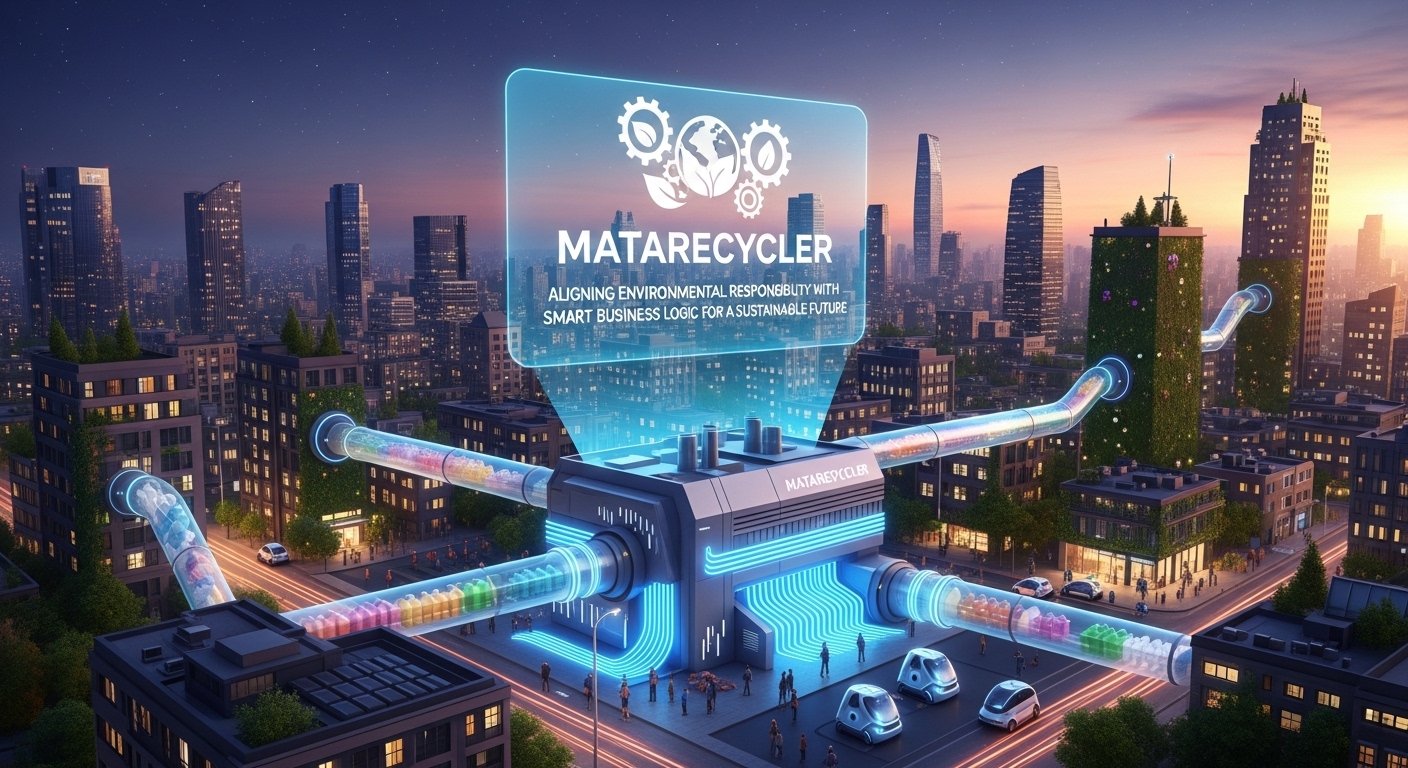
In today’s rapidly evolving world, businesses and communities face increasing pressure to adopt environmentally responsible practices. Climate change, rising waste levels, and stricter sustainability regulations have forced organizations to rethink how they manage resources. This is where Matarecycler emerges as a forward-thinking solution.
Matarecycler represents a modern approach to recycling and resource management. It bridges the gap between environmental responsibility and business efficiency, offering organizations a structured path toward sustainability without sacrificing productivity or profitability. By aligning ecological goals with smart operational strategies, Matarecycler helps businesses reduce waste, optimize recycling processes, and contribute to a cleaner planet.
In this article, we will explore what Matarecycler is, how it works, its benefits, and why it is becoming an essential tool in the modern sustainability landscape.
What Is Matarecycler?
Matarecycler is an innovative recycling and resource management concept designed to simplify how organizations handle waste and reusable materials. Instead of treating recycling as a secondary process, Matarecycler integrates it directly into the operational framework of businesses.
The idea behind Matarecycler is simple but powerful:
Make sustainability practical, measurable, and economically beneficial.
Through structured systems and strategic recycling models, Matarecycler allows businesses to:
-
Reduce operational waste
-
Improve resource efficiency
-
Lower environmental impact
-
Comply with sustainability regulations
-
Strengthen their brand reputation
By transforming recycling into a streamlined business process, Matarecycler removes the friction that often prevents organizations from adopting environmentally responsible practices.
Why Sustainable Recycling Matters Today
Global waste production continues to grow at an alarming rate. According to environmental studies, billions of tons of waste are produced each year, much of which ends up in landfills or oceans.
This growing crisis highlights the urgent need for smarter recycling systems like Matarecycler.
Key Environmental Challenges
Businesses today face several sustainability challenges:
-
Increasing landfill waste
-
Rising carbon emissions
-
Limited natural resources
-
Stricter environmental regulations
-
Consumer demand for eco-friendly brands
Companies that fail to address these issues risk losing both market relevance and public trust.
Matarecycler addresses these challenges by introducing a structured recycling framework that supports both environmental responsibility and business logic.
How Matarecycler Works
The Matarecycler approach focuses on integrating recycling into everyday business operations rather than treating it as a separate activity.
Here are the core components of the Matarecycler system.
1. Waste Identification and Classification
The first step involves identifying all forms of waste generated within an organization.
This may include:
-
Plastic packaging
-
Paper and cardboard
-
Electronic waste
-
Industrial by-products
-
Organic materials
By classifying these materials, Matarecycler ensures that each type of waste follows the most efficient recycling pathway.
2. Resource Recovery Optimization
Instead of discarding materials, Matarecycler emphasizes resource recovery.
This process involves:
-
Extracting reusable components
-
Recycling raw materials
-
Repurposing industrial waste
For example:
-
Plastic waste can be converted into reusable packaging.
-
Paper waste can be processed into recycled office supplies.
-
Electronic waste can yield valuable metals and components.
This reduces dependency on raw materials while lowering production costs.
3. Smart Recycling Infrastructure
A key part of the Matarecycler model involves building efficient recycling systems.
These systems may include:
-
Smart waste sorting systems
-
Digital recycling tracking tools
-
Automated recycling processes
-
Partnerships with recycling facilities
Technology plays a major role in ensuring that materials are properly processed and reused whenever possible.
4. Data-Driven Sustainability
One of Matarecycler’s most powerful features is its use of data and analytics.
Organizations can track:
-
Waste reduction metrics
-
Recycling efficiency
-
Environmental impact
-
Cost savings from recycled materials
This data helps companies make informed sustainability decisions and continuously improve their recycling strategies.
Key Benefits of Matarecycler
Adopting a structured recycling system like Matarecycler offers numerous benefits for organizations of all sizes.
1. Reduced Environmental Impact 🌱
By maximizing recycling and minimizing landfill waste, Matarecycler significantly lowers an organization’s ecological footprint.
This contributes to:
-
Lower carbon emissions
-
Reduced pollution
-
More sustainable resource usage
2. Cost Savings and Operational Efficiency
Recycling is often perceived as expensive, but Matarecycler turns it into a cost-saving strategy.
Benefits include:
-
Reduced waste disposal costs
-
Lower raw material expenses
-
More efficient production processes
Over time, businesses can see substantial financial gains from optimized recycling systems.
3. Stronger Brand Reputation
Modern consumers prefer environmentally responsible brands.
Companies that implement systems like Matarecycler can:
-
Improve brand credibility
-
Attract eco-conscious customers
-
Strengthen corporate social responsibility (CSR)
Sustainability has become a major competitive advantage.
4. Regulatory Compliance
Environmental regulations continue to evolve worldwide.
Matarecycler helps organizations stay ahead of these regulations by ensuring responsible waste management practices.
This reduces the risk of:
-
Environmental fines
-
Compliance violations
-
Legal challenges
5. Circular Economy Integration
The Matarecycler framework supports the circular economy, where materials are continuously reused instead of discarded.
In a circular economy:
-
Waste becomes a resource
-
Products are designed for reuse
-
Materials remain in circulation longer
This model is widely considered the future of sustainable industry.
Industries That Can Benefit from Matarecycler
The Matarecycler model can be applied across multiple industries.
Manufacturing
Manufacturers produce large amounts of waste materials. Matarecycler helps them:
-
Recover valuable raw materials
-
Reduce production waste
-
Improve supply chain sustainability
Retail and E-Commerce
Retail businesses generate packaging waste and product returns.
Matarecycler can optimize:
-
Packaging recycling
-
Product refurbishment
-
Sustainable logistics
Technology and Electronics
Electronic waste is one of the fastest-growing waste streams.
Matarecycler enables companies to:
-
Recover precious metals
-
Safely recycle electronic components
-
Reduce toxic waste
Construction
Construction projects produce large amounts of debris and material waste.
Matarecycler can help recycle:
-
Concrete
-
Metals
-
Wood
-
Plastics
This reduces landfill waste and supports sustainable building practices.
Challenges in Implementing Recycling Systems
While the benefits of Matarecycler are clear, implementing a structured recycling system can present challenges.
Some organizations struggle with:
-
Lack of recycling infrastructure
-
Limited employee awareness
-
Initial implementation costs
-
Complex waste streams
However, these obstacles can be overcome through proper planning, education, and technology integration.
Matarecycler’s structured approach helps simplify these processes and make sustainability more achievable.
The Future of Recycling and Sustainable Business
Sustainability is no longer optional for modern businesses.
Environmental responsibility is quickly becoming a core component of corporate strategy.
In the coming years, we can expect:
-
More advanced recycling technologies
-
AI-driven waste management systems
-
Increased corporate sustainability commitments
-
Stronger environmental regulations
Innovative frameworks like Matarecycler will play a crucial role in helping organizations adapt to these changes.
Businesses that embrace sustainable recycling solutions today will be better positioned for the future.
Why Matarecycler Represents the Next Step in Sustainability
What makes Matarecycler unique is its ability to combine environmental responsibility with practical business strategy.
Instead of treating sustainability as a cost, Matarecycler transforms it into an opportunity for:
-
Innovation
-
Efficiency
-
Long-term growth
By reducing waste, improving resource management, and supporting circular economy principles, Matarecycler offers a clear pathway toward sustainable development.
Organizations that adopt this model not only protect the environment but also strengthen their operational resilience.
How Businesses Can Start Using Matarecycler
Companies interested in adopting Matarecycler can begin with a few key steps:
-
Conduct a waste audit to understand current waste streams.
-
Identify recyclable materials within operations.
-
Partner with recycling specialists or sustainability consultants.
-
Implement recycling infrastructure and tracking tools.
-
Educate employees on sustainable practices.
These steps help build the foundation for a successful recycling strategy.